
Hong KongCompany formation, tax and banking
The gateway to mainland China, with experienced, well-established banks.
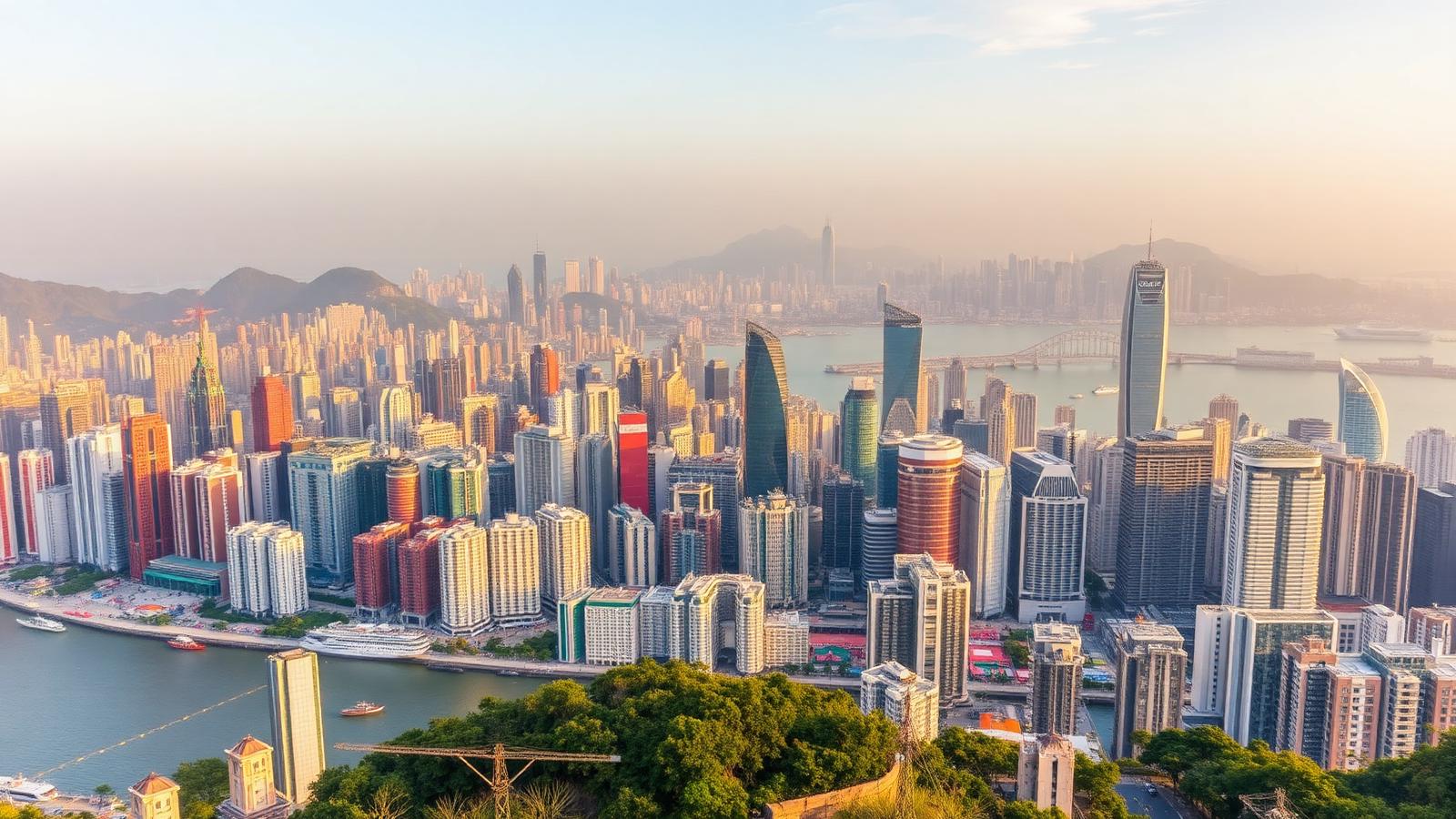
Hong Kong is the gateway to mainland China, with English-style law, deep banking and a tax system that doesn't tax income earned outside Hong Kong. For businesses genuinely trading into China, or serving Chinese partners from an international base, it's unmatched.
The political situation has changed since 2020, and how the world sees Hong Kong has changed with it. For structures with real China exposure it's still the right choice; for structures with none, Singapore is often a better fit.
Why people choose Hong Kong
- The gateway to mainland China, with English-style law
- Income earned abroad is generally exempt, subject to the FSIE rules
- 16.5% profits tax, and 8.25% on the first HKD 2m of profit
- No VAT, no capital gains tax and no tax kept back on dividends
- Deep banking with HSBC, Standard Chartered, Hang Seng and Bank of China
Where Hong Kong fits
- Operating cos
- Trading
- IP
Where Hong Kong fits in a structure
Typical role · Trading company for China business
The Hong Kong company trades into China or with Chinese partners, and banks close to China. It pays 16.5% profits tax on income earned in Hong Kong, while income from abroad is generally exempt, subject to the FSIE rules for passive income. It relies on a clear China-related business reason, which banks now look for when opening accounts.
What it depends onHolding companies without real presence in Hong Kong may be taxed on foreign passive income under the FSIE rules, and with no China link, stricter bank checks often make Singapore or the UAE more practical.
A simplified picture to explain the idea, not a recommendation. General information, not tax or legal advice.
Opening a bank account
Hong Kong banking is deep — HSBC, Standard Chartered, Hang Seng, DBS Hong Kong, Bank of China. Opening accounts is stricter than ten years ago; proof of where your money came from and a clear China-related business reason help a lot.
How tax works here
16.5% profits tax on income earned in Hong Kong, with 8.25% on the first HKD 2m of profit. Income from abroad is generally exempt (subject to the FSIE rules for passive income earned by multinational groups). No VAT, no capital gains tax, no tax kept back on dividends.
Real presence, and who can see the owners
Under the Foreign-Sourced Income Exemption (FSIE) rules, you need real presence to keep foreign passive income tax-free. Trading businesses with genuine Hong Kong operations stay under the local-income-only system; holding companies without real presence may be taxed on their passive income.
When to choose it
Choose Hong Kong when the business genuinely operates into China, serves Chinese partners, or needs banking close to China. Consider Singapore or the UAE if your China exposure is limited.
You get a written comparison, not a sales pitch.
Every Hong Kong recommendation comes as a written comparison with the alternatives — whether the setup will stand up to scrutiny, how easy banking will be, which tax treaties apply, who can see the owners, what it costs to run each year and the risk to your reputation — so you can see the trade-offs before you commit.
Considering Hong Kong? Get a written comparison first.
Answer six questions and our team will come back with a shortlist, rough costs and where you could bank.
Questions we hear on every Hong Kong intake.
- Is Hong Kong still a good place to bank?
- For businesses with a clear China-related reason, yes. For structures with no China link, the stricter checks often make Singapore or the UAE more practical.
- What is FSIE?
- The Foreign-Sourced Income Exemption rules, in force since 2023, require some multinational groups to have real presence in Hong Kong to keep foreign passive income (dividends, interest, IP income and capital gains) tax-free.
- Can non-residents own a Hong Kong company?
- Yes. Directors and shareholders don't have to live there. You do need a company secretary who is based in Hong Kong.
More APAC jurisdictions & related insights
Singapore
Asia's hub for funds, family offices and company treasuries.
Labuan (Malaysia)
3% tax on trading profits, with some of Malaysia's tax treaties, at a low Asian cost.
Japan
The world's third-largest economy, now opening its doors to foreign investment managers.
Every engagement begins with a twenty-minute advisory call. The fee is in writing before any work begins. No hourly billing.