MaltaCompany formation, tax and banking
An EU licence you can use across Europe for online gaming, funds and fintech.
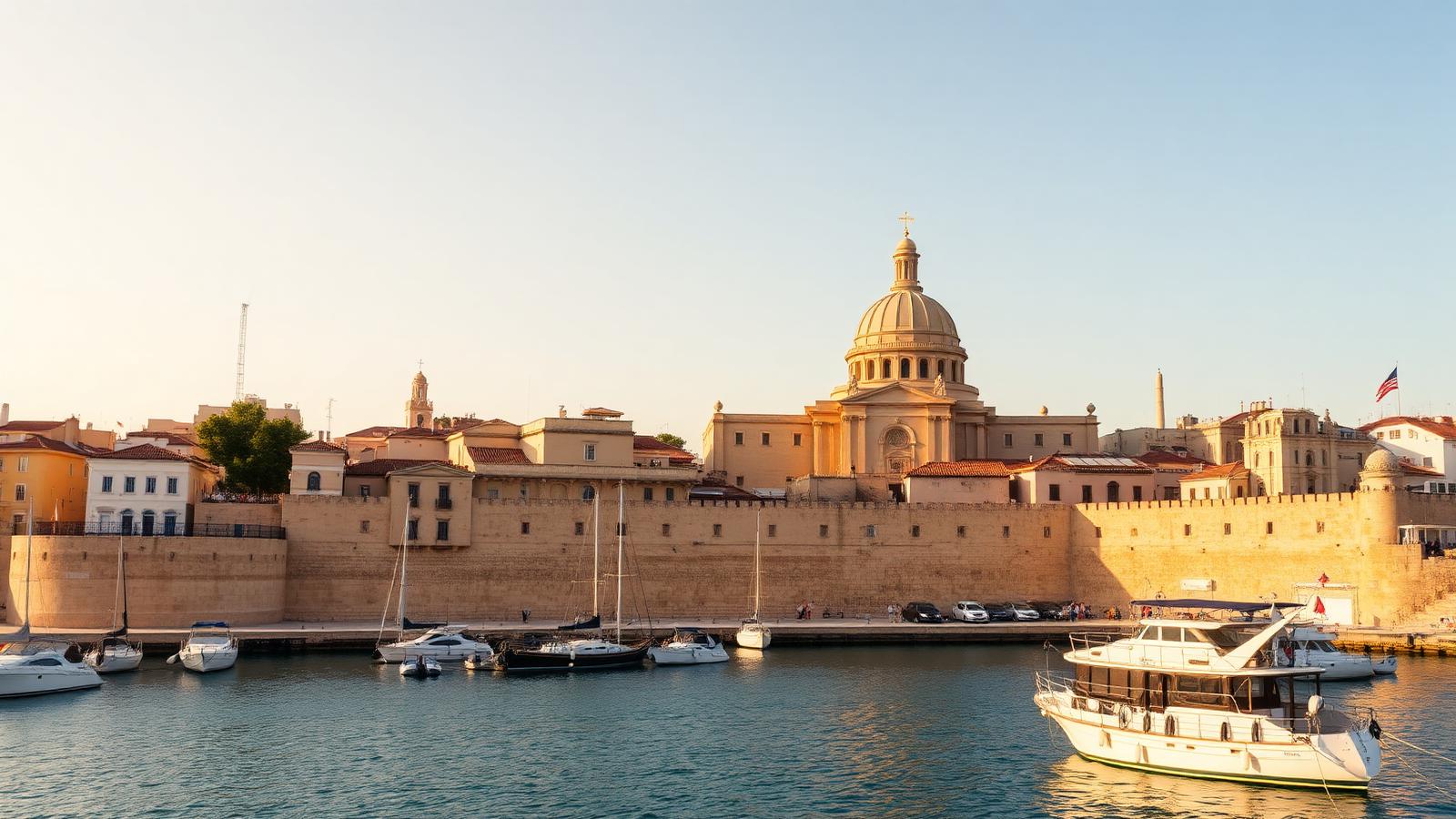
Malta is the place for EU licences you can use across Europe: online gaming (MGA), funds (AIF, PIF, UCITS), fintech (EMI and payment licences from the MFSA) and captive insurance. English is an official language, the law mixes English and European traditions, and the regulator is much more approachable than most in Western Europe.
The tax system is unusual: 35% company tax, but shareholders living abroad get 6/7ths of it refunded, giving an effective 5% on active trading income and 10% on passive income. Set up correctly, Malta is one of the most tax-efficient EU countries for regulated businesses.
Why people choose Malta
- An EU licence you can use across Europe
- Licences for online gaming (MGA), funds, and e-money or payments (MFSA)
- 35% company tax, but shareholders living abroad get 6/7ths refunded
- Effective 5% on active trading income, 10% on passive income
- English is an official language and the regulator is approachable
Where Malta fits
- iGaming (MGA)
- Funds
- PSPs
Where Malta fits in a structure
Typical role · Regulated licence holder
The Maltese company holds the licence and serves customers across the EU from a real base in Malta. It pays 35% company tax, and when it pays dividends to shareholders living abroad, 6/7ths of that tax is refunded on active trading income, leaving an effective 5%. It relies on genuine operations in Malta and, usually, on EU banking lined up in other countries.
What it depends onThe MFSA and MGA check for local directors, an office, staff and operations, so compliance costs are significant, and the refund depends on the shareholders living abroad.
A simplified picture to explain the idea, not a recommendation. General information, not tax or legal advice.
Opening a bank account
Malta's banking is thinner than its licences deserve — many local banks are cautious about high-risk sectors (gaming, crypto, fintech). We line up EU banking in other countries (Lithuania, Ireland, Luxembourg) as part of most Maltese licensing jobs.
How tax works here
35% company tax, with 6/7ths refunded on active trading income to shareholders living abroad (effective 5%), 5/7ths refunded on passive income (effective 10%), and full credit for tax already paid. Malta has a wide network of tax treaties and full access to EU directives.
Real presence, and who can see the owners
Regulated businesses in Malta need real presence — the MFSA and MGA check for local directors, an office, staff and operations. Compliance costs are significant; the regulator expects you to take it seriously.
When to choose it
Choose Malta when you need an EU licence you can use across Europe for a regulated activity — funds, online gaming, e-money, payments, insurance — and you can genuinely set up operations there.
You get a written comparison, not a sales pitch.
Every Malta recommendation comes as a written comparison with the alternatives — whether the setup will stand up to scrutiny, how easy banking will be, which tax treaties apply, who can see the owners, what it costs to run each year and the risk to your reputation — so you can see the trade-offs before you commit.
Considering Malta? Get a written comparison first.
Answer six questions and our team will come back with a shortlist, rough costs and where you could bank.
Questions we hear on every Malta intake.
- How does the 6/7ths refund work?
- The Maltese company pays 35% company tax. When it pays dividends to shareholders living abroad, 6/7ths of that tax is refunded to them, leaving an effective 5% on active trading income.
- How long does an MGA licence take?
- Six to nine months from filing to first-stage approval, plus a technical audit before you go live. Rushing usually means a weaker application and more back-and-forth with the regulator.
- Is Malta on any blacklist?
- Malta was on the FATF grey list from 2021 to 2022 but came off after tightening its anti-money-laundering enforcement. It's a fully compliant EU member state.
More Europe jurisdictions & related insights
United Kingdom
A respected base for trading companies, with the world's widest network of tax treaties.
Isle of Man
Aircraft, yacht and online gaming registrations under familiar British law.
Gibraltar
Gaming, crypto and insurance licences right next to the EU.
Every engagement begins with a twenty-minute advisory call. The fee is in writing before any work begins. No hourly billing.